
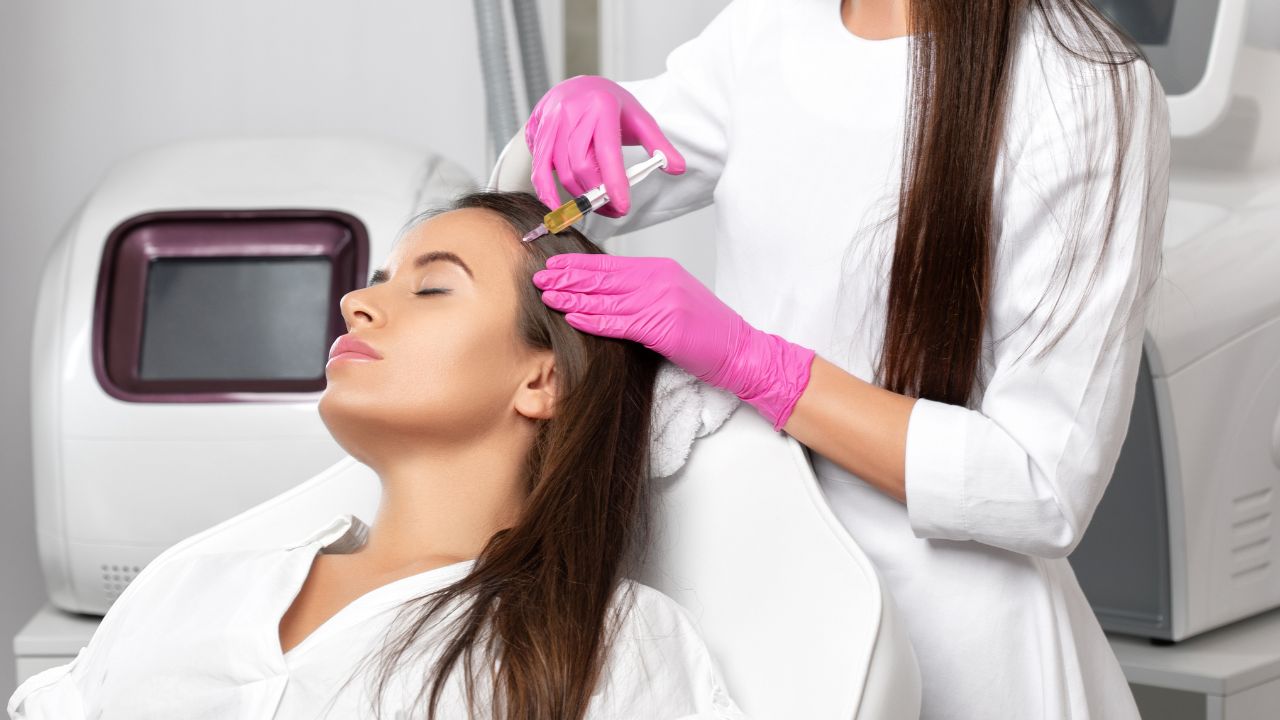
Capillary PRP, or Platelet-Rich Plasma, is an innovative hair restoration treatment that uses components of the patient’s own blood to stimulate hair regrowth. In this procedure, a small blood sample is drawn, processed to concentrate the platelets, and then injected into targeted areas of the scalp. The growth factors released from these platelets promote cell repair, strengthen hair follicles, and slow down hair loss. As it uses the patient’s own plasma, Capillary PRP carries a low risk of rejection and is known for delivering natural results.
How Does Capillary PRP Work for Hair Loss?
Capillary PRP works by utilizing the regenerative properties of plasma, which is rich in growth factors and proteins that help repair tissues. The plasma is separated from the blood through centrifugation, concentrating the platelets and growth factors. These are then injected into areas of the scalp where hair thinning is visible. The growth factors stimulate inactive or weakened hair follicles, revitalizing them and promoting a healthier and longer growth cycle. In addition to slowing hair loss, Capillary PRP enhances hair thickness and texture by repairing each follicle’s structure and improving microcirculation in the scalp.

Benefits of Capillary PRP for Scalp Health
Capillary PRP not only strengthens hair but also offers various benefits for the scalp. By improving blood circulation, it enhances the delivery of nutrients and oxygen to the hair follicles, creating an optimal environment for hair growth. It also helps reduce inflammation, which can be particularly useful for individuals with scalp dryness or irritation. The treatment improves skin elasticity, balances moisture levels, and has antioxidant and anti-inflammatory effects, contributing to overall scalp health.
Procedure Steps: How is Capillary PRP Applied?
The Capillary PRP procedure consists of three stages and usually lasts between 45 minutes to an hour:
- Blood Draw: A small sample of blood is taken from the patient, typically from the arm.
- Centrifugation: The blood is centrifuged to separate the platelets and growth factors from the other blood components, concentrating the substances that will promote hair regeneration.
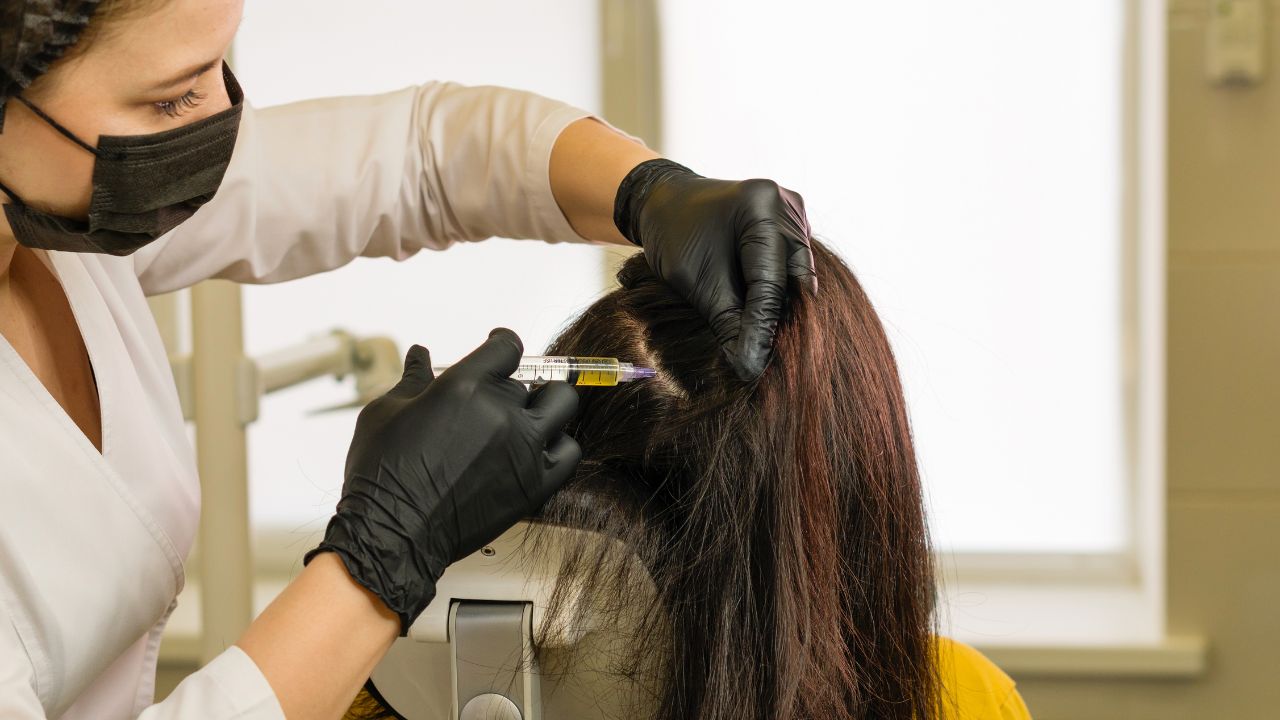
- Injection into the Scalp: The resulting PRP is injected into specific areas of the scalp using microinjections. The procedure is generally painless, though some clinics may apply a topical anesthetic to ensure comfort.
The treatment does not require hospitalization or extensive aftercare, but it is advised to avoid direct sun exposure and chemical products on the scalp for a few days following the procedure.
Capillary PRP Results: What to Expect After Treatment
The results of Capillary PRP take time to become visible. Most patients begin to notice improvements in the texture and density of their hair around 3 to 4 months after the treatment. By six months, hair follicles may appear stronger, with hair visibly thicker. To maintain and enhance these results, a maintenance plan is recommended, often involving additional sessions every 4 to 6 months, depending on the patient’s individual response.
Capillary PRP vs. Other Hair Loss Treatments
Compared to other treatments, Capillary PRP stands out as a natural and minimally invasive option. Unlike medications such as minoxidil or finasteride, which may have side effects, Capillary PRP uses the patient’s own plasma, minimizing the risk of adverse reactions. Additionally, while medications require daily application, Capillary PRP is administered in scheduled sessions, making it a more convenient option for many people.
When compared to hair transplant surgeries, Capillary PRP is less expensive and does not involve surgery, scars, or a long recovery period. However, Capillary PRP tends to be most effective in the early stages of hair loss and may not be a suitable alternative for advanced alopecia cases.
FAQs on Capillary PRP: Duration, Effects, and Aftercare
- How long does the treatment take? Each session lasts about an hour.
- How many sessions are needed? A typical course involves 3 to 4 sessions, spaced about four weeks apart, followed by maintenance treatments every 6 to 12 months.
- What are the aftercare instructions? It is recommended to avoid chemicals and sun exposure for 24-48 hours after each session.
- Are there any side effects? Since Capillary PRP uses the patient’s own blood, side effects are rare, but some redness or sensitivity in the treated area is common.
In conclusion, Capillary PRP is an effective, natural treatment for hair loss, particularly in its early stages. It not only strengthens the hair but also improves scalp health, creating an ideal environment for hair growth.